
Glass has long been an essential element in architecture, bridging the gap between indoors and outdoors while allowing natural light to flood spaces. However, in the face of pressing environmental challenges, the role of glass in sustainable design has taken center stage. In this blog post, we will explore the future of glass in architecture, focusing on how innovative technologies and eco-conscious approaches are reshaping the way we envision and construct buildings.
1. Energy Efficiency and Smart Glass: The quest for energy-efficient buildings has led to significant developments in glass technology. Smart glass, also known as switchable glass, can alter its properties based on external factors, such as light intensity or temperature. This allows for dynamic control of sunlight and heat, reducing energy consumption for heating, cooling, and lighting. As smart glass becomes more accessible, its integration into architectural projects is expected to contribute to more sustainable and environmentally responsible constructions.
2. Transparent Solar Panels: A Green Revolution: The traditional concept of opaque solar panels has undergone a transformation with the emergence of transparent solar panels. These innovative glass panels have the capacity to generate renewable energy while still maintaining transparency. As architects incorporate transparent solar panels into building facades and windows, they can effectively harvest solar energy without compromising the aesthetic appeal or natural lighting of the interiors.
3. Biophilic Design and Green Building Integration: Biophilic design, which focuses on creating a connection with nature in built environments, is gaining momentum in sustainable architecture. Glass plays a vital role in achieving this design philosophy by providing unobstructed views of the surrounding landscape. Architects now envision buildings that seamlessly blend with their natural surroundings, fostering a sense of harmony and well-being. Furthermore, green building integration involves the use of glass as part of passive design strategies, optimizing energy performance through proper orientation, shading, and ventilation.
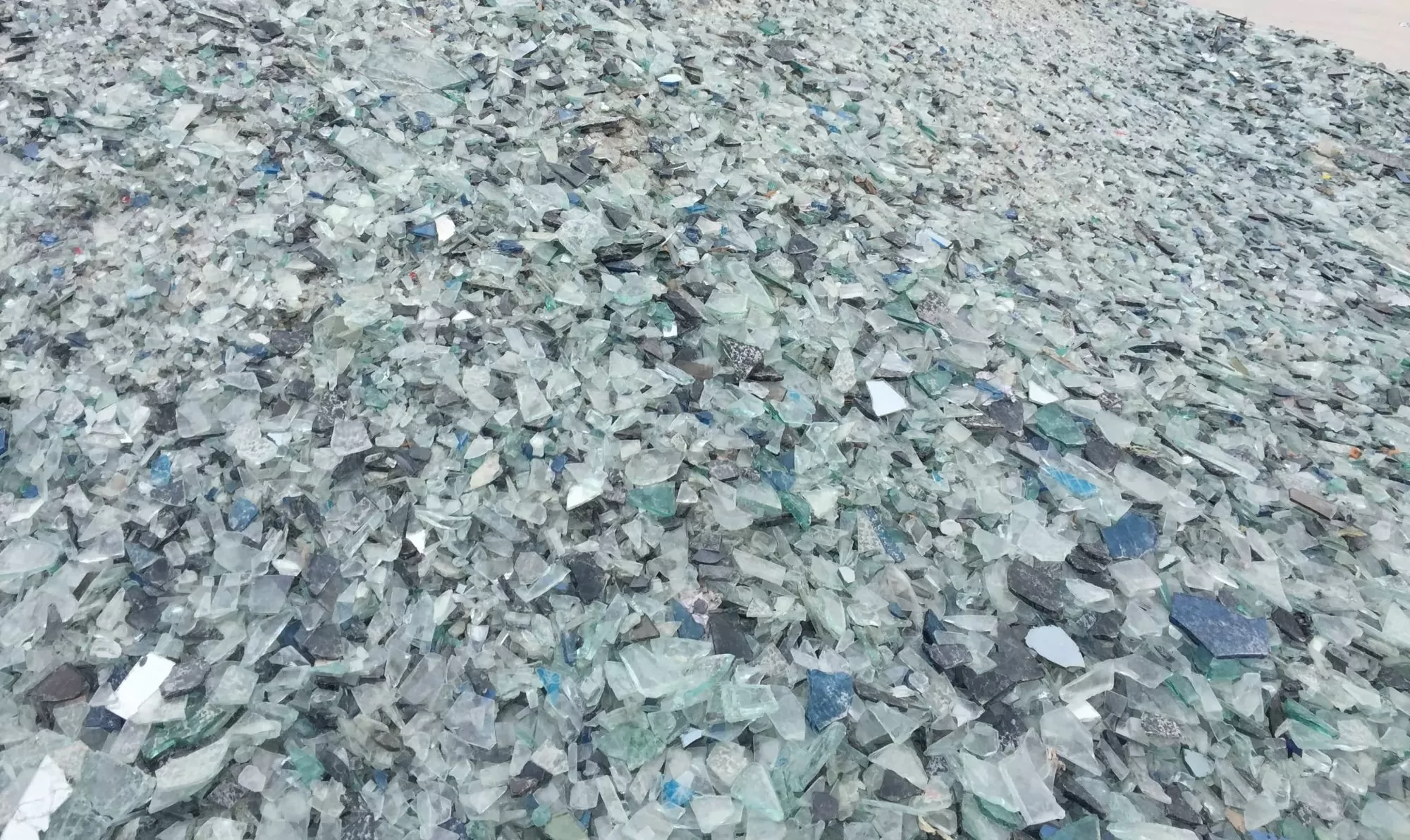
4. Recyclable and Low-Carbon Glass: The glass industry’s commitment to sustainability extends to the production process. Efforts are being made to develop low-carbon glass manufacturing techniques, minimizing the industry’s environmental footprint. Additionally, advancements in glass recycling technologies are paving the way for the widespread reuse of glass waste, reducing the demand for virgin materials and conserving resources.
Conclusion: The future of glass in architecture promises a sustainable revolution, where innovation and eco-consciousness shape the built environment. From energy-efficient smart glass to transparent solar panels and biophilic design, architects are harnessing the potential of glass to create structures that harmonize with nature while minimizing their environmental impact. As the glass industry continues to evolve, we look forward to witnessing the seamless integration of sustainable design and technological advancements in the architectural landscape.
In this blog post, we have explored how the future of glass in architecture is embracing sustainability and innovative solutions. As the construction industry takes on a more eco-conscious approach, glass is poised to play a pivotal role in shaping a greener and more sustainable world. Let us celebrate the potential of glass as a window to sustainable design and a brighter future.